


STRONGER ALLIANCES
SMARTER SOLUTIONS
SYSTEMS
IMPACT
LASTING
HOPE
Building connected
communities
Training, resources,
and best practices
Changing lives today
for a better tomorrow
For children, families
and communities
What We Do
-
Build DEC Alliances at the local, state, regional, and tribal levels.
-
Train and support multi-disciplinary teams to identify and assist drug endangered children.
-
Offer resources and tools to help professionals and caregivers.
-
Develop awareness of and advocate for drug endangered children on a national scale.
-
Create collaborative, sustainable responses which protect children, and transform communities.
Children are often the first impacted and
the last to receive services.
We want to change that.
Protecting children takes more than awareness of the problem. NADEC provides a complete ecosystem that helps communities move from learning about drug endangered children to building lasting multidisciplinary partnerships that protect children, strengthen families and transform communities. This graphic represents the NADEC Ecosystem.

Every community begins in a different place. The NADEC Ecosystem brings together the tools, partnerships, and support needed to create lasting change - wherever your journey starts.

BUILDING ALLIANCES
Bringing agencies and communities together around a common vision and a collaborative, coordinated response.

TRAINING
Equipping people with the knowledge and skills to recognize and respond to drug endangered children.

AWARENESS
Building understanding of drug endangered children and the impact of substance misuse.

SUPPORTING MDTs
Strengthening multidisciplinary teams through ongoing support, resources and partnerships.

COMMUNITY RESPONSE
Creating collaborative, sustainable responses which protect children, and transform communities.
The National Alliance for Drug Endangered Children (NADEC) is a national nonprofit dedicated to changing how communities respond to drug endangered children. Founded in 2003 and incorporated in 2006, NADEC has spent more than 20 years building a complete ecosystem (developing alliances, awareness, training, resources and partnerships) - to support children, strengthen families and transform communities.
Who We Are
No two communities are the same. Whether you're just getting started or building on years of progress, NADEC has resources designed to help you take the next step.

Group of multidisciplinary professionals in a circle, hands meeting and glowing in the center.

People at a table, seeing a presentation, with paper in the foreground talking about child welfare.

Woman holding a clipboard smiling, with a large arrow pointing upward to signify growth.

Desk with stacks of books to signify resources.
Every Community Starts Somewhere
Our Impact
Every number represents children identified earlier, professionals better equipped to respond, and communities working together to create safer futures.
23
Years of Operation
32,000+
Children Helped
(Estimate for 2025 Only)
101+
Training Sessions
(2025 Only)
500+
State, Local & Tribal Partners Supported
5,134+
Professionals Trained in 2025
The NADEC ecosystem means Better Outcomes for children, families and communities!

Children Are Safer

Families Receive Support
Professional Collaboration

Stronger Systems

Healthier, More Resilient Communities
National Expertise
20+ years helping communities respond to drug endangered children.
Proven Ecosystem
Training alone doesn't create change. NADEC provides the support, partnerships and ongoing guidance communities need.
Lasting Impact
Our goal isn't simply educating professionals. It's transforming how entire communities respond.
Select Partners









Whether you're an individual professional, an organization, or a community leader, there's a place for you in the NADEC ecosystem.
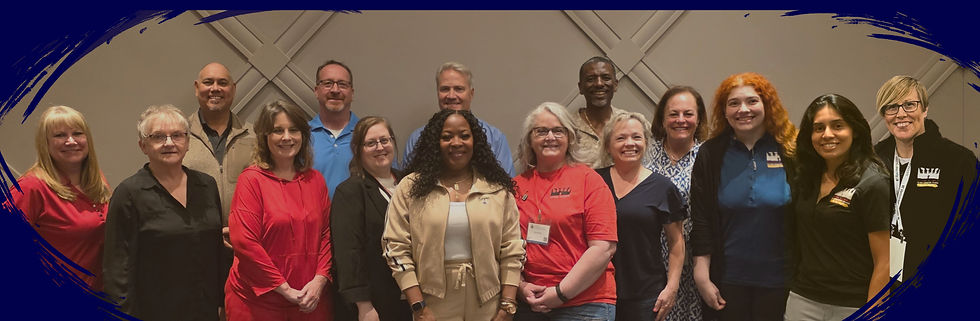
Real photo of NADEC team and Board members.

Group of multidisciplinary professionals around a table, smiling and collaborating.

Small child holding teddy bear, shot in moody black and white.

Donation box with person inserting a cash donation.