%20(3840%20x%201800%20px)%20(8).png)
Creating
Lasting
Change...


BUILDING
ALLIANCES
TRAINING & RESOURCES
COMMUNITY
IMPACT
LASTING
HOPE
Building connected
communities
Training, resources,
and best practices
Changing lives today
for a better tomorrow
For children, families
and communities
Creating Lasting Change
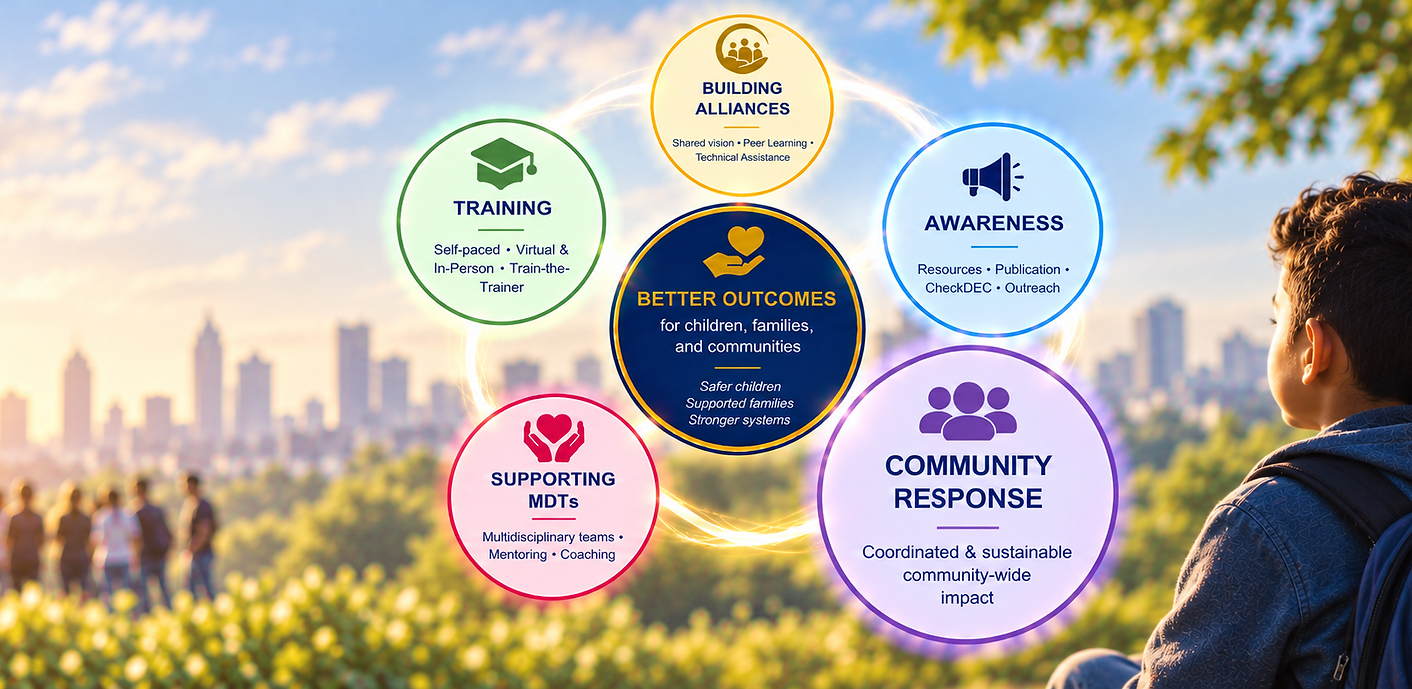
Communities become safer when awareness leads to action, professionals work together, and children receive the support they deserve. This is what the NADEC Ecosystem makes possible.
NADEC helps professionals and communities understand the impact of substance misuse and recognize opportunities to intervene earlier.
In a nutshell: the NADEC Ecosystem helps communities move from learning about drug endangered children to building lasting multidisciplinary partnerships and changing system responses that serve to strengthen families and transform entire communities.

COMMUNITY
RESPONSE
Creating collaborative, sustainable responses which protect children, and transform communities.
Every community begins in a different place. The NADEC Ecosystem brings together the tools, partnerships, and support needed to create lasting change - wherever your journey starts.

Happy community group of adults and children engaged in the local community.

Main conference room on first day of NADEC 26 conference.

Speaker at the NADEC26 conference on stage.
Happy community group of adults and children engaged in the local community.
What Success Looks Like

Best Practices Toolkit
Federal partners from ONDCP, HHS, and HUD have released the Best Practices Toolkit: Addressing Homelessness and Addiction Through “Treatment First.” NADEC is proud to have contributed to this effort, including Chapter 6: Integrating Care for Drug Endangered Children in Homeless Families.
This first of its kind resource gives communities practical, evidence based strategies to help individuals move from homelessness and addiction toward recovery and stability. It reinforces what practitioners know well: housing alone is not enough; treatment and coordinated care must come first.
Children are often the first impacted and the last to receive services, and we are encouraged to see children’s needs centered in this national conversation, which will have impact right down to the local community level.
Cultural Connection & Family Wellbeing - Alaska
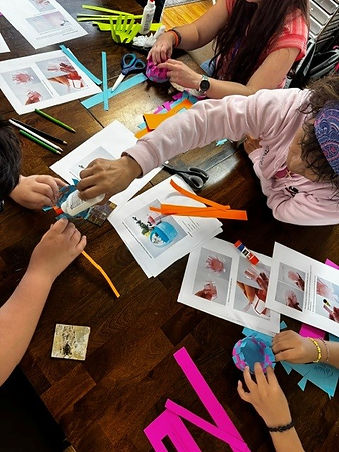
In Alaska’s Mat‑Su Valley, the Knik Tribe has made cultural connection a cornerstone of its work with children and families. Youth regularly gather to learn traditional Alaska Native skills including bone bead necklace making, basket weaving, birchbark painting, Alaska Native mask crafting, and drumming. Talking circles, Wellbriety circles, Eskimo ice cream making, fiddle dancing, and family movie nights extend these experiences across generations and throughout the year.
Families share that these gatherings offer cultural traditions they would not otherwise be able to access, and youth consistently leave wanting to learn more.
The Mat‑Su Valley DEC Alliance continues to build on this foundation, using cultural programming to strengthen community ties, elevate Tribal knowledge, and support the wellbeing of children and families.

Statewide Coordination and Cross‑System Learning
- Iowa & Wisconsin
The Iowa and Wisconsin Drug Endangered Children Alliances each host annual statewide conferences that bring together professionals from law enforcement, child welfare, prevention, treatment, and other partners under one roof.
Iowa’s conferences have featured sessions on drug recognition, rural deflection strategies, parent support, state‑specific substance use trends, and lived‑experience perspectives giving attendees practical knowledge they can apply immediately in their communities.
Wisconsin’s conferences have connected local DEC teams with national expertise and focused on what it takes to build, strengthen, and sustain a DEC program over time.
Across both states, these events create space for professionals to learn across agencies, build relationships, and return home with tools that support children and families. This kind of statewide coordination is what transforms individual DEC efforts into a consistent, multidisciplinary system of support.
Community Events That Build Trust and Connection
- Kansas & Tennessee
DEC Alliances across the country regularly bring children and families together through community events that are free, welcoming, and rooted in connection. Programs like Camp Thrive and local day camps give children a safe place to spend time, while annual family events create opportunities for law enforcement, child welfare professionals, and community partners to show up as familiar, approachable faces.
The Pratt County, Kansas, and Scott County, Tennessee DEC Alliances each host annual community gatherings where families can access resources, participate in activities together, and build relationships with the professionals working on their behalf.
These events cost families nothing to attend an important factor in communities where cost can be a barrier, and where one positive interaction with a law enforcement officer or service provider can be the first step toward asking for help.

Why the Ecosystem Works
We Connect
Partnerships that align professionals around a common vision.
We Educate
Training that builds knowledge and confidence.
We Sustain
Ongoing support that keeps communities moving foward.
The NADEC ecosystem means Better Outcomes for children, families and communities!

Children Are Safer

Families Receive Support
Professional Collaboration

Stronger Systems

Healthier, More Resilient Communities

The Journey Isn't Always Linear
Some begin by raising awareness. Others already have strong multidisciplinary teams and need technical assistance. Some want to develop an alliance. Others are ready to strengthen existing systems with training.
Wherever you begin, NADEC meets you there and helps you build something that lasts!


Stronger Communities Start Here
Whether your community is taking its first steps or building on years of progress, NADEC can help you create a coordinated response that protects children, strengthens families,
and builds lasting change.
Where to Start?

NADEC Ecosystem graphic

Group of adults collaborating in front of a drug endangered child poster.

Girl walking along the street alone
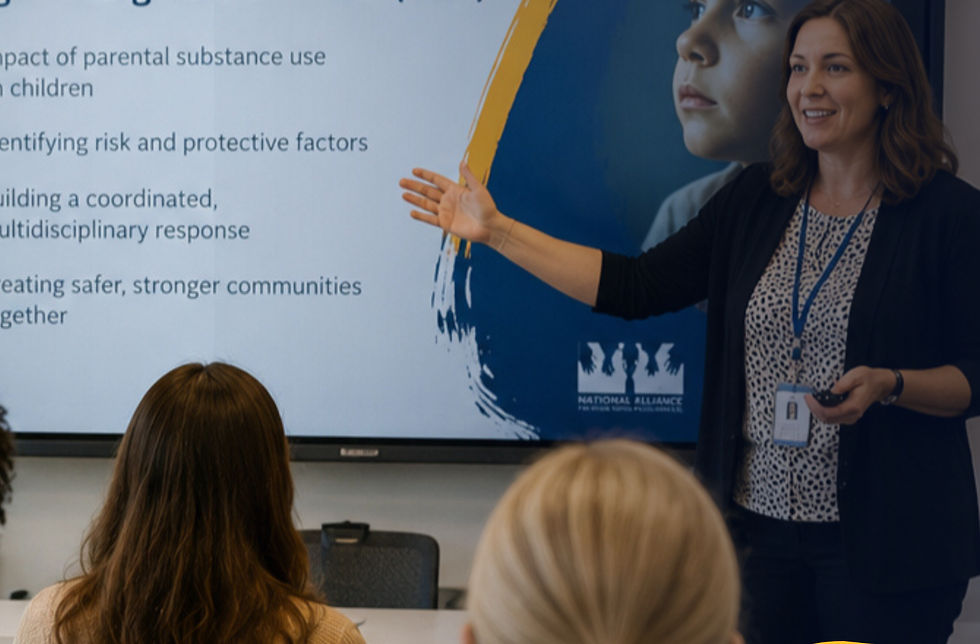
Group of multidisciplinary professionals getting taught by a DEC Trainer.
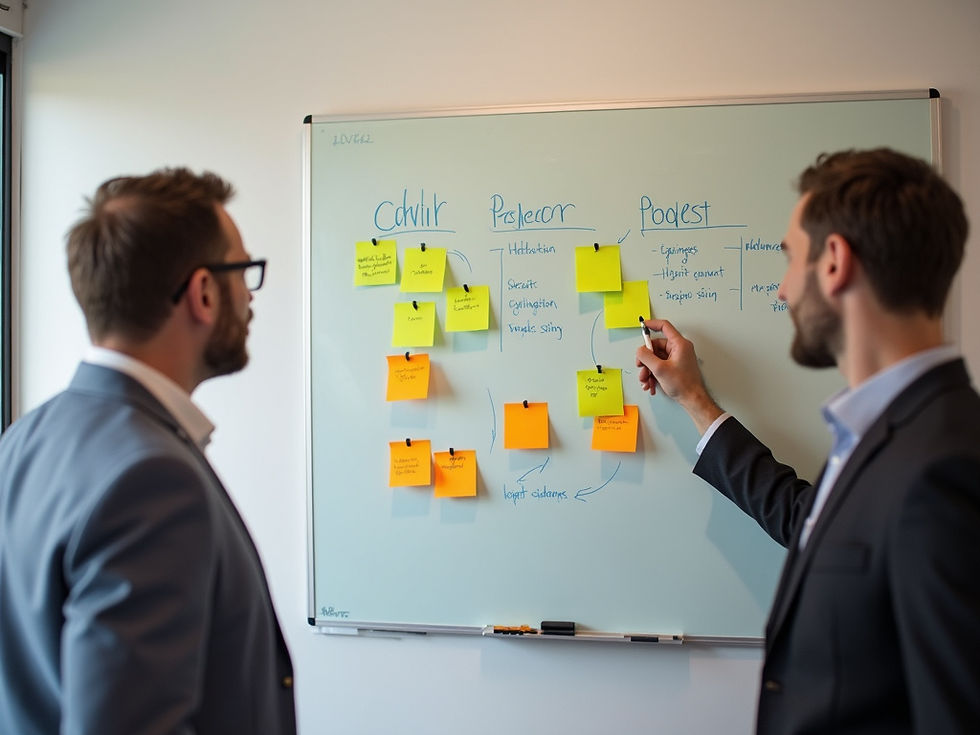
Two men working on a whiteboard.