



BUILDING
ALLIANCES
TRAINING & RESOURCES
COMMUNITY
IMPACT
LASTING
HOPE
Building connected
communities
Training, resources,
and best practices
Changing lives today
for a better tomorrow
For children, families
and communities
Training & Certification Programs
Training equips professionals with the knowledge and practical skills needed to recognize, respond to and support drug endangered children.
Our training is just one part of the NADEC Ecosystem - but it's one of the most powerful ways communities begin creating change. Knowledge is power - and training is the key to breaking the cycle of trauma, substance misuse, and suffering.

NADEC Instructor-Led Training
Our instructor-led professional training is priced by group/organization size, so it requires booking a call with us to get custom pricing to fit your budget. These training sessions bring the experts directly to your team (in-person or virtually) to deliver engaging, real-world training programs designed to strengthen your community's responses to drug endangered children.
We work with groups of all sizes and figure out custom pricing to find a budget that works for you. Individual instructor-led training virtually is also available upon request.

DEC Academy 101
This series of drug endangered children (DEC) training is designed to provide the foundational knowledge around drug endangered children.
Sessions include: Orientation, Online Training (self-paced), DEC Awareness, the DEC Approach, Marijuana: The Danger Remains, Intersection of DEC and Human Trafficking.
4 sessions (2 hrs). Virtually or In-Person.

DEC Awareness
The DEC Awareness Training looks at the risks and long-term impact on drug endangered children.
It provides strategies for overcoming the challenges of aligning agencies and systems responsible for preventing, intervening, and treating these issues in order to change the trajectories of the lives of drug endangered children and break multigenerational cycles of abuse and neglect.
2 hours. Virtually or In-Person.

The DEC Approach
This training focuses on how to implement the DEC Approach which is a comprehensive strategy based on a common vision, collaboration that is ongoing between various disciplines and agencies, and ongoing changes in practice. This training provides insights about how various practitioners are in a position to identify, protect, and serve drug endangered children and their families. Includes trainer-led discussions and hands on exercises to demonstrate how implementing collaboration enhances the likelihood of better outcomes for drug endangered children.
2 hours. Virtually or In-Person.

Train the Trainer
The DEC Train the Trainer certifies individuals to present DEC Awareness and DEC Approach trainings in their communities or states.
Available In-person across 3 days back-to-back (24 hours) OR Virtually 4 hrs/day over 6 days.
*Completion of the DEC Awareness and DEC Approach trainings are pre-requisites
for participation in the Train the Trainer.
3 days OR 4 hrs/day for 6 days

DEC Roadmap & Toolkit Academy
This Academy focuses on how to implement the DEC Roadmap and Toolkit which is a strategy in building multidisciplinary drug endangered children (DEC) alliance.
This 7-session academy includes: Introduction (1 hour), Awareness Stage (2 hours), Coaching (1 hour), Implementation Stage (2 hours), Coaching (1 hour), Institutionalization Stage (2 hours), Coaching (1 hour).
7 sessions (1-2 hrs). Virtual Only.

Your Impact: Bringing, help, hope and support
This interactive training equips professionals to identify and intervene on behalf of drug endangered children. Participants gain a foundational understanding of brain development, ACEs and PCEs, and the lifelong impact of early experiences. Through scenarios, discussion, and the hands-on brain architecture game, attendees explore how early experiences shape development and strengthen their ability to connect children and families to supportive resources. In-Person Only.
3 hours. In-Person Only.

Intersection of DEC and HT
This introductory training explores the often overlooked connection between Human/Sex Trafficking and drug endangered children (DEC). Participants will learn how substance misuse, trafficking, and child vulnerability intersect, along with key indicators professionals and community members can recognize. Through definitions, statistics, and case examples, attendees will gain tools to identify concerns, understand risks, and strengthen intervention efforts. Available Virtually and In-Person.
2 hours. Virtually or In-Person.

Marijuana: The Danger Remains
This session explores the risks children face in environments where marijuana is consumed, grown, processed, or sold - regardless of its legal status. Participants will learn how marijuana products and methods of consumption have evolved, the dangers associated with cultivation and production, and the potential impact on child safety and well-being. Special attention will be given to high-potency products, concentrates, edibles, and the hazardous processes used to create them. Available Virtually and In-Person.
2 hours. Virtually or In-Person.

Hidden Influences: How Prenatal Substance Use Affects Development
A foundational overview of how prenatal substance exposure can impact child development from infancy through early childhood. Participants will learn to recognize early signs and understand common developmental, behavioral, and regulatory challenges, including effects on attention, emotional regulation, learning, and social interactions. Practical caregiver-focused strategies are provided to support regulation, attachment, and development, and offer guidance on connecting children to appropriate services and supports.
2 hours. Virtually or In-Person.

Strengthening DEC Responses within Child Advocacy Centers
This training explores how Child Advocacy Centers (CACs) can respond to children impacted by caregiver substance misuse through a coordinated, trauma-informed approach. Participants will receive an overview of the drug endangered children (DEC) Clinic model and learn how collaboration among medical providers, forensic interviewers, and MDT partners strengthens assessment, improves investigative decision-making, and enhances child safety and long-term outcomes.
2 hours. Virtually or In-Person.

Drugs: What’s Impacting Our Children Today
Our drugs training examines current drug trends and their impact on children, families, and communities.
Participants will learn to recognize risks, identify warning signs, and improve safety outcomes for both children and professionals while addressing common misconceptions about drugs and drug activity.
2 hours. Virtually or In-Person.

Fentanyl Overdose and Child Death Investigation: The Beautiful Giles Case Study
Sgt DeRogatis of the Palm Beach County Sheriff’s Office presents a fatal child fentanyl overdose case that examines the realities of child drug endangerment and the complexities of overdose investigations.
Participants will explore multidisciplinary collaboration, investigative strategies, and legal considerations while gaining tools to identify, investigate, and respond to drug endangered children and overdose cases, strengthening outcomes for children and families.
1.5 hours. Virtual Only.

Deflection 101
This training introduces deflection as a proactive, community-based approach that connects individuals to behavioral health services at the earliest opportunity—often in lieu of arrest or without formal justice system involvement. Participants will learn how deflection serves as a prevention-focused pathway that bridges public safety and public health. The session highlights practical strategies for early engagement, reducing barriers to care, and strengthening coordination across systems. Attendees will also explore how deflection differs from traditional diversion and how it supports improved outcomes for individuals, families, and communities.
1.5 hours. Virtually or In-Person.
NEW Training Coming in 2027!

3 hours. In-Person Only.
Drug Endangered Children: The Tools to Respond & Intervene
Ground-breaking training designed to raise awareness of how parental, caregiver, and community substance misuse impacts children and why they are often the first impacted but the last to receive support.
Through a virtual reality (VR) experience from a child’s perspective, participants build empathy and learn how a coordinated community response using the DEC approach can better support drug endangered children.

2 hours. Virtually or In-Person.
DEC Alliance Foundations
This course bridges the gap between DEC Awareness trainings and the DEC Roadmap & Toolkit Academy. Participants will learn what a DEC Alliance is — and what it is not — while exploring the structure, function, and shared vision of effective multidisciplinary teams.
Through practical examples and discussion of common barriers, attendees gain foundational insight and initial steps to determine readiness and begin building a sustainable DEC Alliance in their community.

2 hours. Virtually or In-Person.
DEC Investigations
Explores the intersection of drug activity and child welfare and the need to identify both. Too often, professionals recognize one but miss the other, resulting in missed opportunities to intervene, support, and protect children.
Designed for professionals across disciplines and highlights the shared responsibility of recognizing concerns, identifying indicators, and contributing information to strengthen coordinated responses. Participants will learn to look more intentionally for both drugs and children, break down silos, and improve outcomes for children and families impacted by substance use.

⚠️ Important Notice:
NADEC training programs and curricula are protected by copyright and trademark laws. These materials may only be delivered by NADEC-certified trainers under an active agreement. If you’re unsure about your training status, please contact us.
Need free training resources right now?
We have an extensive library of videos that deliver immediate access to the valuable knowledge and insights related to drug endangered children!


Stronger Communities Start Here
Whether your community is taking its first steps or building on years of progress, NADEC can help you create a coordinated response that protects children, strengthens families,
and builds lasting change.
Where to Start?

Graphic of the NADEC ecosystem diagram

Group of adults collaborating in front of a drug endangered child poster.

Photo of drug endangered child.
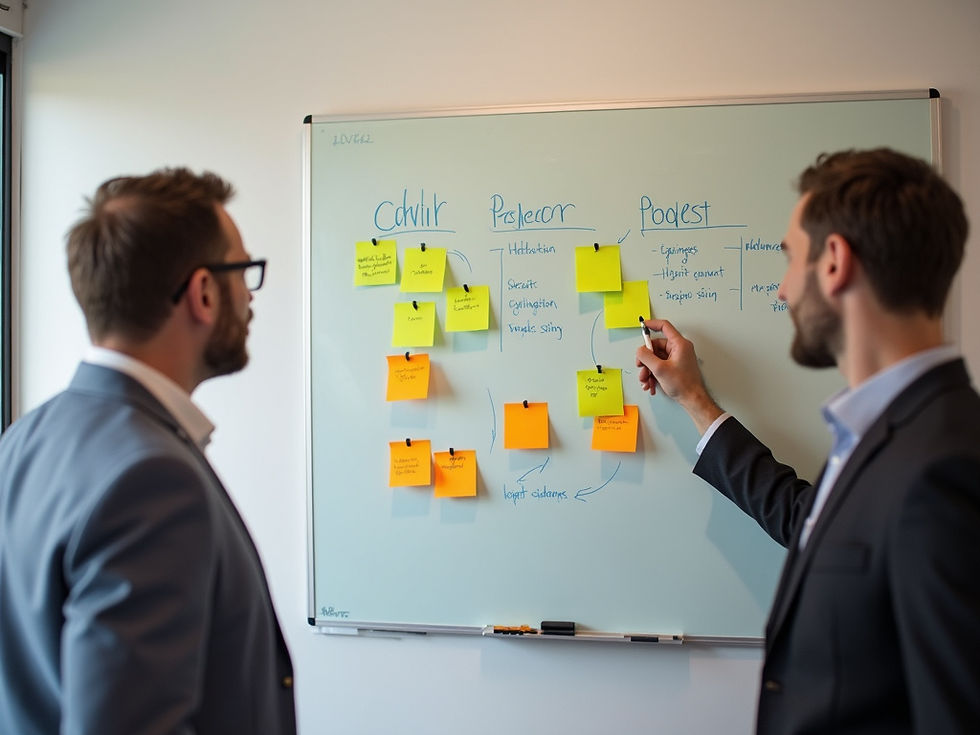
Two men working on a whiteboard.

Community group picture with both children and professionals.